Publikationen
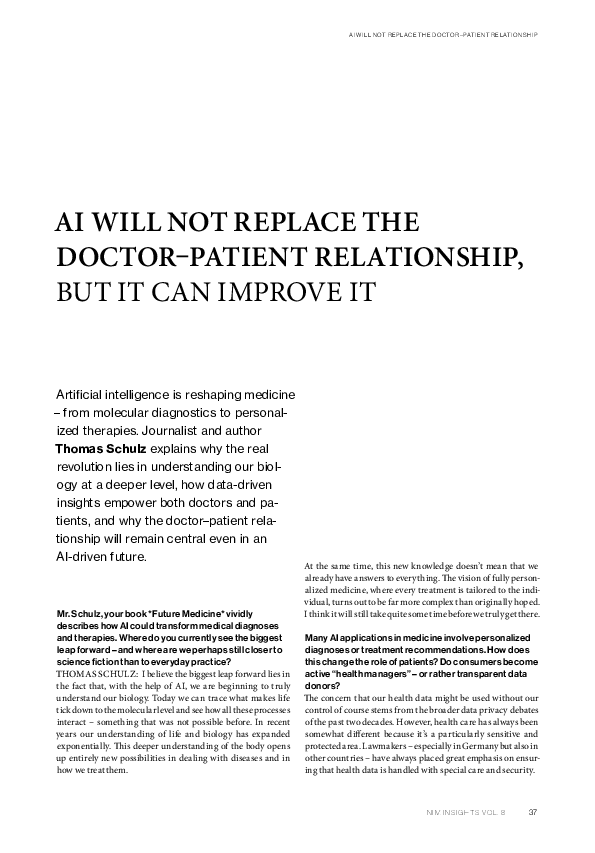
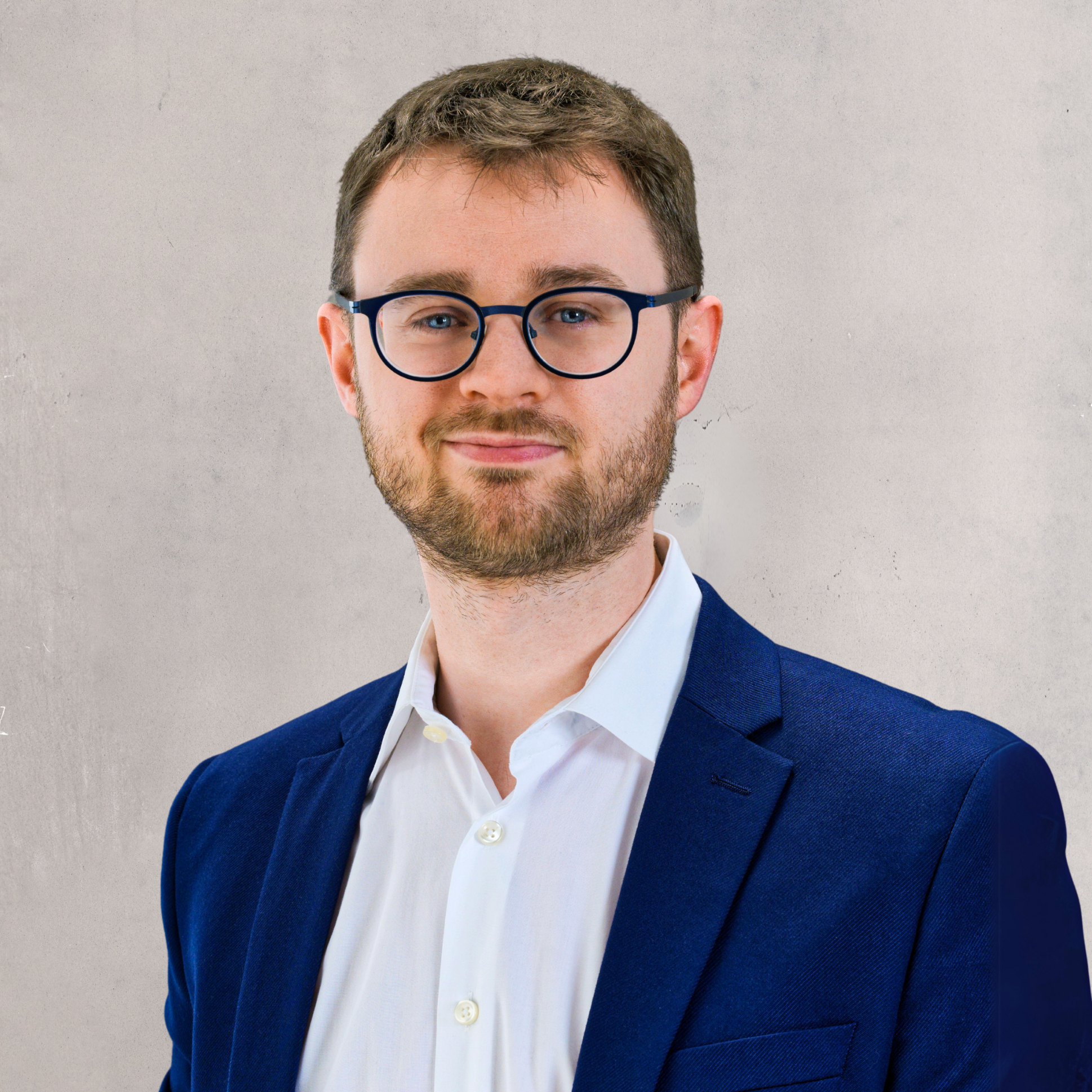
AI Will Not Replace the Doctor-Patient But it Can Improve it Interview with Thomas Schulz, science journalist and author (2025). NIM Insights Research Magazin Vol. 8 - AI.Meets.Consumer
2025
AI Will Not Replace the Doctor-Patient But it Can Improve it
Artificial intelligence is reshaping medicine – from molecular diagnostics to personalized therapies. Journalist and author Thomas Schulz explains why the real revolution lies in understanding our biology at a deeper level, how data-driven insights empower both doctors and patients, and why the doctor–patient relationship will remain central even in an AI-driven future.
Mr. Schulz, your book Future Medicine vividly describes how AI could transform medical diagnoses and therapies. Where do you currently see the biggest leap forward – and where are we perhaps still closer to science fiction than to everyday practice?
THOMAS SCHULZ: I believe the biggest leap forward lies in the fact that, with the help of AI, we are beginning to truly understand our biology. Today we can trace what makes life tick down to the molecular level and see how all these processes interact – something that was not possible before. In recent years our understanding of life and biology has expanded exponentially. This deeper understanding of the body opens up entirely new possibilities in dealing with diseases and in how we treat them. At the same time, this new knowledge doesn’t mean that we already have answers to everything. The vision of fully personalized medicine, where every treatment is tailored to the individual, turns out to be far more complex than originally hoped. I think it will still take quite some time before we truly get there.
Many AI applications in medicine involve personalized diagnoses or treatment recommendations. How does this change the role of patients? Do consumers become active “health managers” – or rather transparent data donors?
The concern that our health data might be used without our control of course stems from the broader data privacy debates of the past two decades. However, health care has always been somewhat different because it’s a particularly sensitive and protected area. Lawmakers – especially in Germany but also in other countries – have always placed great emphasis on ensuring that health data is handled with special care and security. That’s why I’m actually less worried about this point at the moment. For patients, the advantages clearly outweigh the risks: They have access to much more information about themselves and can actively integrate it into their treatment – for example, by sharing data between different doctors. The introduction of the electronic patient record is an important step forward in this context.
“There are good reasons to protect patient data strictly – but on the other hand, research depends on access to large datasets.”
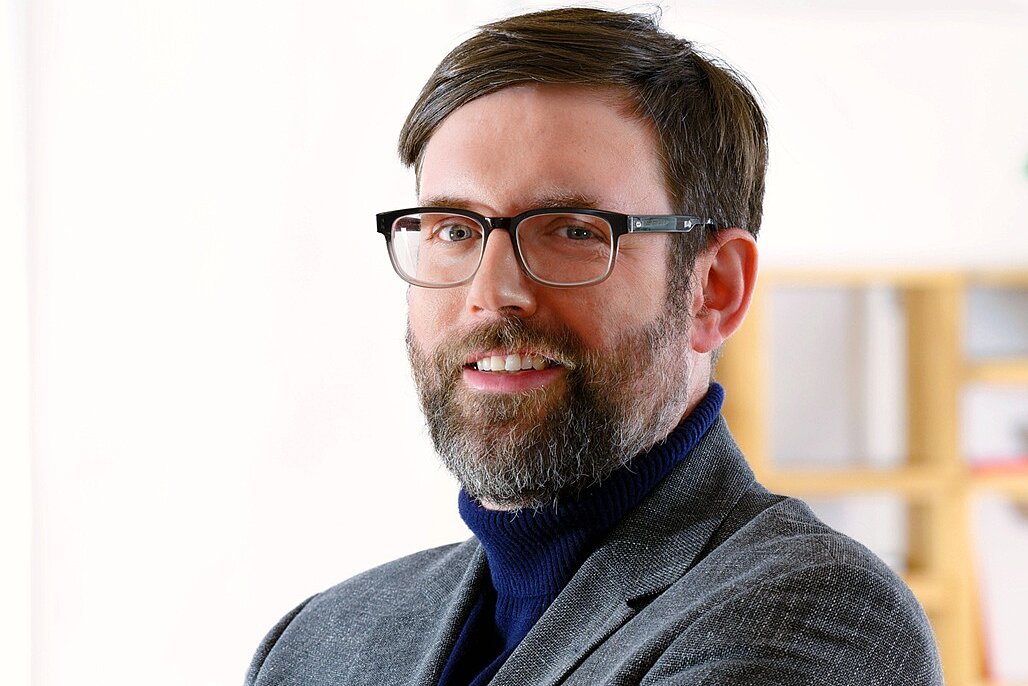
Thomas Schulz, science journalist author
AI needs data – and in health care, that data is particularly sensitive. How can we reconcile data protection, trust, and innovation without slowing down medical research?
It is primarily the responsibility of policymakers to ensure that data protection and security continue to be guaranteed across all areas. The amount of available information keeps growing, and as more technical processes and AI systems are introduced, legislation must keep pace. It must not be overtaken by technological progress – otherwise, gaps will appear that ultimately disadvantage patients. There’s always a risk that personal data might fall into the wrong hands, and that remains a major challenge. At the same time, this issue is particularly acute in medicine. There are good reasons to protect patient data strictly – but on the other hand, research, for example in oncology, depends on access to large datasets. To run meaningful analyses, researchers need extensive information, such as sequenced genomes. Without the ability to use this data, research simply cannot move forward. Balancing data protection with the need for open data in research is a real dilemma – one that still lacks a clear solution.
When consumers use apps that measure their vital signs or analyze symptoms, how can we ensure they aren’t misled or unsettled by false recommendations – and what responsibility do tech companies bear?
This problem has existed for many years: There’s a flood of false or inaccurate information easily accessible online. “Dr. Google” can provide an answer to a medical question, but it’s not necessarily correct or applicable to the individual. This underlying issue now extends to AI systems as well – including generative models like ChatGPT – whose answers are not always accurate and sometimes entirely fabricated. Public education is the first line of defense. Tech companies have a responsibility to clearly communicate that their systems are not infallible and that medical advice from them should be treated with caution. When it comes to applications that measure vital signs or analyze symptoms, at least there’s an important safeguard: Devices with a medical purpose must be certified. Not every app or gadget can claim medical validity without approval. For instance, the Apple Watch’s heart monitoring features have gone through medical certification processes. That’s an important step – and I believe we’ll need even more of these regulated approval procedures to give users confidence.
As we can capture more molecular data, we’ll gain an increasingly precise picture of each individual’s physical condition.
Thomas Schulz
What impact do you expect AI to have on the healthcare system itself – on doctors, health insurers, or pharmaceutical companies? Will AI fundamentally change the traditional doctor–patient relationship?
I don’t think the doctor–patient relationship will fundamentally change – but I do hope it will improve. We already see that with AI support, doctors can gain more time for their patients. This is especially evident in fields like radiology or dermatology: Pattern recognition systems help identify anomalies faster – for example, when a 3D scan automatically highlights problematic skin areas. This allows doctors to work more efficiently and precisely. Another advantage is the relief from administrative burdens. Writing patient reports often takes up a large part of a doctor’s day – generative AI can save significant time here. Of course, the doctor still needs to review the results, but overall, there’s more room for direct interaction with patients. At the same time, the relationship between patients and the health-care system will become more complex. Many new technologies are expensive and not immediately covered by public health insurance. This means patients must navigate a growing number of new offers and therapies on their own. Doctors will increasingly need to act as guides, helping their patients make sense of this more complicated landscape. So there’s a lot of movement – with both opportunities and new challenges.
If you look 10 years into the future, which AI-driven innovations will most profoundly shape people’s everyday health-care – and what is being overestimated?
I believe the greatest impact will come from sequencing technologies – not just genetic sequencing but also single-cell and microbiome sequencing. These methods allow us to analyze the most subtle processes in the body, and they are becoming ever faster, cheaper, and easier to perform. What once was reserved for rare cases is now standard practice in many areas, especially in cancer treatment. This trend will continue: As we can capture more molecular data, we’ll gain an increasingly precise picture of each individual’s physical condition. I’m convinced this will revolutionize medicine over the next decade. What’s clearly overestimated, however, is the notion that AI will replace doctors – radiologists, for instance. That will never happen, if only because of the trust relationship between doctors and patients. It’s an exaggerated debate, in my view. What I find more exciting are developments where doctors actively co-develop AI systems. These tools don’t just make diagnostic suggestions – as seen in dermatology, where systems analyze skin changes – but also explain their reasoning. The AI provides a justification that doctors can review and integrate into their own diagnosis. That’s real progress and a meaningful way for AI to support medical practice.
Weitere Artikel der Ausgabe “NIM INSIGHTS Research Magazin VOL. 8”
Hier finden Sie weitere spannende Artikel dieser Ausgabe.